Fluoride Treatment Guide for Kids and Families
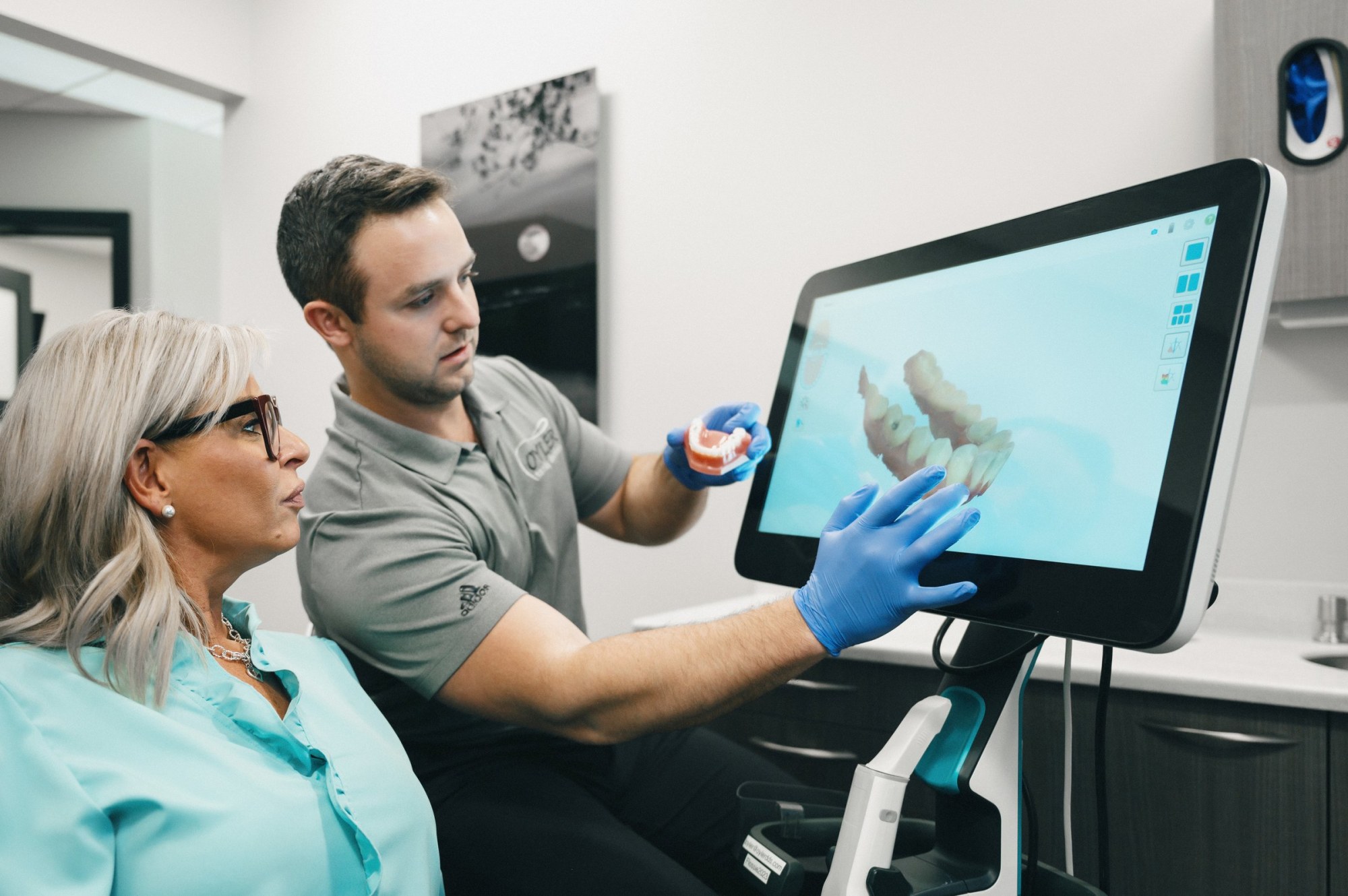

Most parents ask the same question: is the fluoride treatment at the end of my kid's cleaning actually necessary, and is it safe? The short answer is yes to both. Fluoride is a quick, low-risk way to make teeth stronger against cavities, and the safety concerns you may have read about are tied to swallowing fluoride over years, not to a coating briefly applied at a dental visit.
This guide covers the full picture: how cavities form, what raises risk at every age, what in-office fluoride actually does, how often your family needs to come in, and what a solid home routine looks like. Dr. Brian Oyler and the team at Oyler Family Dentistry care for whole households in Greendale, and we wrote this for families making real decisions about preventive care, not just parents of young kids.
Have a question this page does not cover? Call us at (812) 537-4272.
Every mouth carries bacteria that feed on sugar and starches. As they feed, they release acid that slowly pulls minerals out of the enamel, the hard outer shell protecting each tooth. A cavity forms when that acid damage gets ahead of the mouth's ability to recover, and it happens gradually, not overnight.
The good news is that the process works both ways. Saliva naturally washes away food, neutralizes acid, and carries minerals back to the tooth surface. Fluoride supports that recovery, helping enamel rebuild faster and become more resistant to future acid attacks.
Frequency matters more than total sugar amount. Snacking often or sipping sweet drinks throughout the day keeps acid levels high for hours with no recovery window. Early decay appears as a chalky white spot near the gumline and can sometimes be reversed at that stage. Once it breaks through into a hole, the tooth needs a filling. That is exactly what regular checkups are designed to catch early.

Cavity risk is built from everyday details, and a good prevention plan starts by figuring out which ones apply in your house.
Baby teeth have thinner enamel, so decay moves faster in little ones. The biggest risks at this age are bottles or sippy cups at bedtime, frequent juice, and the reality that a two-year-old simply cannot brush well on their own.
The first permanent molars come in around age six, way in the back, with deep grooves a child may not reach on their own. This is the best window for sealants and regular fluoride, both part of routine preventive care. Kids also start choosing their own snacks around this age, which changes what to watch for.
Risk often climbs in the teen years. Schedules get busy, brushing gets rushed, sports and energy drinks become a daily habit, and braces add brackets and wires that trap plaque. White spots around brackets are easy to prevent but hard to miss when braces come off. Families comparing braces or Invisalign should ask how each option fits their child's brushing routine.
Risk does not stop when you grow up. Gums can pull back and expose root surfaces, which are softer than enamel and decay more easily. Medications dry the mouth, and older fillings or crowns can develop small gaps where decay starts at the edges. We cover adult fluoride needs in more detail a little further down.
Professional fluoride treatment is a concentrated application applied right to your teeth, usually right after a cleaning. It takes a minute or two. The fluoride absorbs into the outer enamel, helps rebuild weakened areas, and makes the tooth harder for acid to dissolve. It also slows the bacteria that produce that acid.
Over-the-counter toothpaste delivers a low dose twice a day, and that steady repeated contact genuinely matters. Many public water systems add a small amount of fluoride throughout the day. A professional application is much stronger, reaching into grooves and along the gumline in a way regular brushing simply cannot. These three sources work together, and none of them substitutes for the others.
The concern parents bring up most often is dental fluorosis. It shows up as faint white flecks or, in more noticeable cases, some pitting or brown discoloration. It happens when a child swallows too much fluoride over time while permanent teeth are still forming, roughly from birth to age eight. Most cases in the United States are mild enough that only a dentist would notice.
The key distinction is where the fluoride goes. Fluorosis comes from fluoride swallowed repeatedly over years, not from a professional treatment that sits on the tooth surface and is wiped away after the visit. The real risks are a preschooler eating toothpaste every night or a family drinking well water with naturally high fluoride levels. A few simple steps keep things in check:
Major dental and public health organizations have backed fluoride for decades as safe and effective. If something you have read has you worried, bring it up at your child's next visit. We would much rather talk it through than have you quietly skip something your child may benefit from.
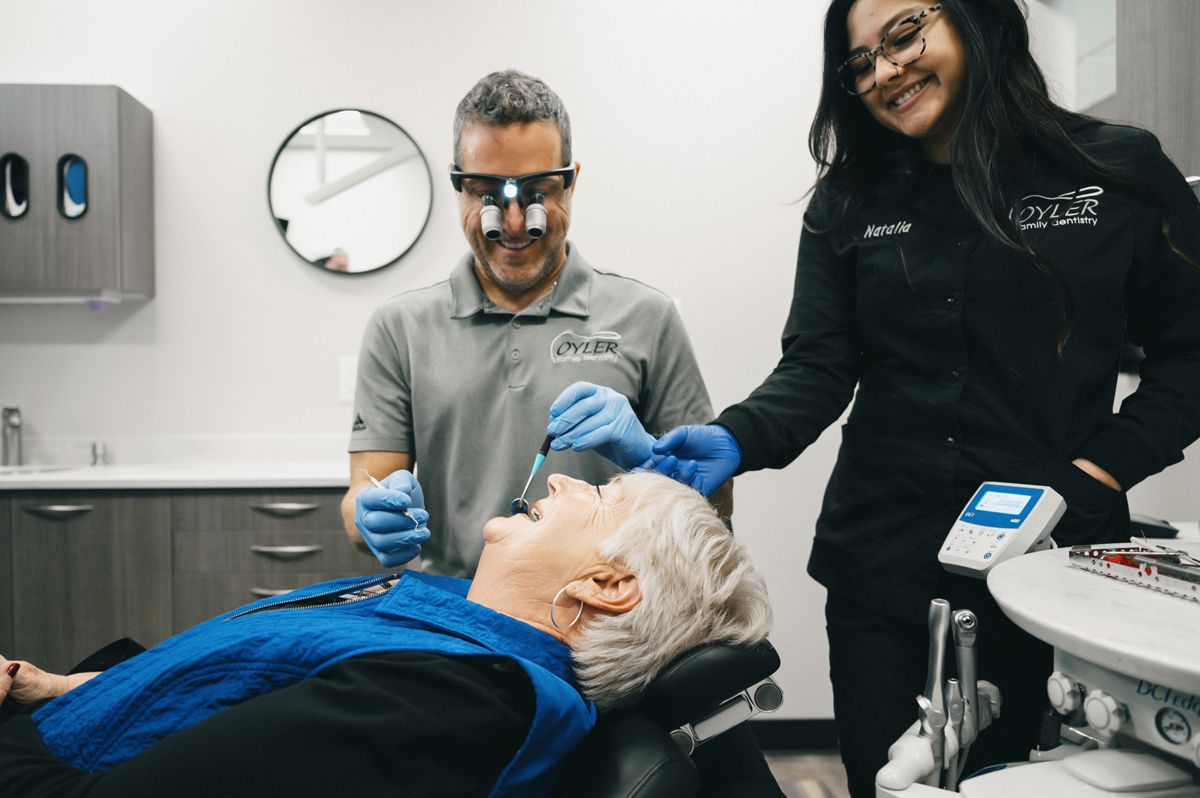
Fluoride is always applied after the teeth are cleaned and polished. Plaque acts like a barrier, so clean teeth absorb it far more effectively. That is why fluoride is part of a routine visit rather than a separate appointment.
The hygienist gently dries the teeth with gauze or a quick puff of air so the fluoride sticks where it should. This takes just a few seconds and does not hurt at all.
For varnish, a small brush coats the teeth with a thin layer. For a gel or foam, a soft tray holds the fluoride against the teeth for about a minute while your child sits and breathes normally. The hygienist picks whatever works best for your child's age and comfort.
Give it about 30 minutes before eating or drinking so the fluoride has time to settle in. Softer foods are a good idea for the rest of the day, and it is best to skip very hot drinks and hard or crunchy foods. If varnish was used, hold off on brushing until that evening so the coating stays put. We will walk you through the exact timing before you leave.
Most dentists recommend a first visit by your child's first birthday, or within six months of that first tooth coming in. These early appointments are short and relaxed. We take a look at how things are developing, make sure teeth are coming in well, and send parents home with a simple care plan. They also help your child get comfortable in the dental chair before anything important needs to happen.
Cleanings and exams every six months, with fluoride typically applied at each one. Kids with a history of cavities, braces, special health care needs, or a high-sugar diet may benefit from coming in every three or four months instead. When those first six-year molars arrive, we will also talk about sealants.
Teens often need more attention than the standard twice-a-year schedule allows. Those in braces, those who drink sports or energy drinks regularly, and those who have started skipping nighttime brushing may need fluoride more often and more frequent check-ins between visits. Invisalign Teen and traditional braces are both options we offer, so orthodontic care and preventive care can stay under one roof.
Twice a year works for most adults with healthy gums. More frequent visits make sense for anyone dealing with gum disease, dry mouth, recurring cavities, or significant existing dental work. How often you need fluoride really comes down to what is going on in your mouth, and that is something we figure out together at your visit.
Most people think of fluoride as something for kids, but adult cavity risk is real and often goes unaddressed for years.
Two things tend to raise that risk over time. The first is gum recession. When gums pull back, the roots of your teeth become exposed. Root surfaces are softer than enamel, so they break down under acid much faster. Root decay is one of the most common problems we see in adults over 50, and gum disease treatment can help slow it. The second is dry mouth from medication. Hundreds of common prescriptions reduce saliva, including drugs for blood pressure, allergies, depression, and overactive bladder. Less saliva means less natural protection, so let us know when your prescriptions change.
A few other situations where fluoride makes a real difference:
Gum disease and decay often go hand in hand, so staying on top of both is part of the same prevention plan.
Start flossing as soon as two teeth are touching, because a toothbrush cannot clean between them. Floss picks work great for kids if that means they will actually use them. Once a day, at night, is the goal.
Sometimes decay happens even with good habits, and a parent's first reaction is often guilt. Set that aside. What matters is catching it early, when the fix is still simple.
The decayed part is removed and the space filled in with a tooth-colored material that blends right in with the surrounding tooth. Small cavities found early mean smaller fillings and shorter appointments.
When too much of the tooth is gone for a filling to hold, a crown fits over the whole tooth to protect it. On baby molars with significant decay, a crown is often the better choice so the tooth holds up until it falls out on its own.
If decay reaches the nerve, that tissue needs to be treated. In adult teeth, that means a root canal. The procedure relieves pain rather than causing it. In baby teeth, a simpler version is often used to keep the tooth in place until it falls out naturally.
Sometimes a tooth cannot be saved. When a baby tooth comes out much earlier than expected, we may suggest a space maintainer to keep the surrounding teeth from shifting into the gap.
Fear should never be the reason a cavity goes untreated. Nitrous oxide, often called laughing gas, is a gentle inhaled option that wears off within minutes and helps most children stay relaxed through a procedure while remaining awake. For patients who need more support, oral conscious sedation is a medication taken before the appointment that leaves you feeling calm and at ease. Ask us about both options before the appointment, not after a hard experience.

We don't apply fluoride and move on. We talk about what we're seeing, where the real risk is, and what actually makes sense for your family. Then we tell you what we'd do and why, and you decide. No judgment, no pressure, no surprises at checkout.
We would love to be your family's dental home for generations. Call us in Greendale at (812) 537-4272 and let's get you scheduled.
We look forward to meeting you. Call (812) 537-4272 or request an appointment online to set up your first visit. We’ll be in touch soon.